


Publish date: 2026-01-09
Structural ceramics are widely used across electronics engineering, automotive manufacturing, medical devices, and precision machining thanks to their excellent high-temperature resistance, corrosion resistance, and high hardness. As an important class of high-performance materials, structural ceramics are driving technological innovation and industrial upgrades in many sectors. Below are typical applications of structural ceramics in different industries, along with product examples.
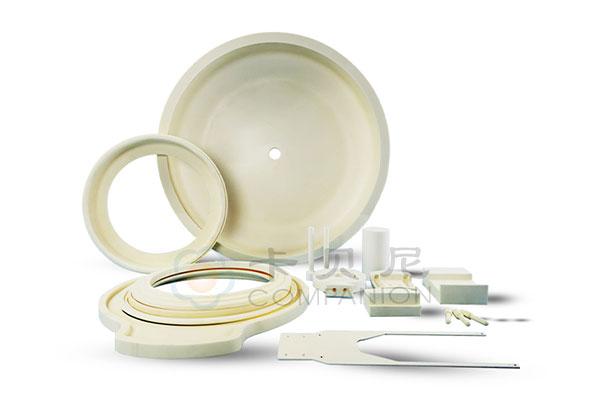
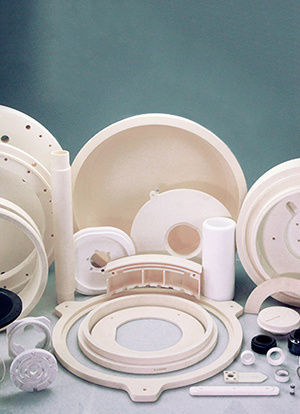
With a combination of high-temperature resistance, corrosion resistance, wear resistance, and reliable electrical insulation, structural ceramics are widely used in key components of electronics manufacturing equipment. Companion can produce high-performance structural ceramic parts, including ceramic sealing rings, ceramic arms, ceramic nozzles, and ceramic vacuum chucks, to meet diverse customization requirements.
In the automotive industry, structural ceramics are mainly used in engine components, braking systems, and exhaust systems to improve safety and durability. For example, silicon nitride ceramics are used to manufacture high-performance engine parts that can withstand extreme temperatures and pressures.
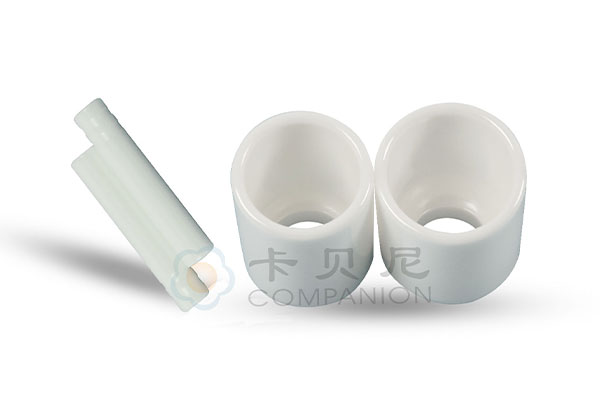
Bioceramics such as zirconia are used for precision medical components due to their excellent biocompatibility, high mechanical strength, and wear resistance. For example, key components such as zirconia gyn cups and zirconia plungers play an important role in surgical instruments and medical equipment. In addition, bioceramic materials such as zirconia and hydroxyapatite can also be used in artificial joints and dental restorations, meeting the performance requirements of implantable materials and providing diversified high-performance ceramic solutions for healthcare applications.
Structural ceramics are widely used to manufacture high-performance bearings, seals, cutting tools, and other components. Thanks to their high hardness and wear resistance, they can improve operating efficiency and reliability while reducing maintenance costs.
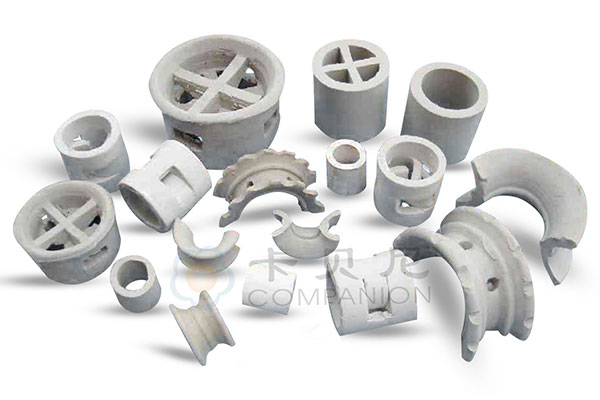
The chemical packing we supply is a key component made with structural ceramics as the core material, designed for gas–liquid mass transfer and heat transfer equipment. Its high specific surface area and porous structure provide sufficient contact interfaces for gas–liquid phases, significantly enhancing fluid turbulence and improving mass transfer efficiency. As a high-performance inert solid medium, structural ceramic packing offers corrosion resistance, high-temperature resistance, high mechanical strength, and multiple functions including efficient heat transfer, precision filtration, and optimized fluid distribution—making it an indispensable mass-transfer and heat-transfer medium in chemical production.
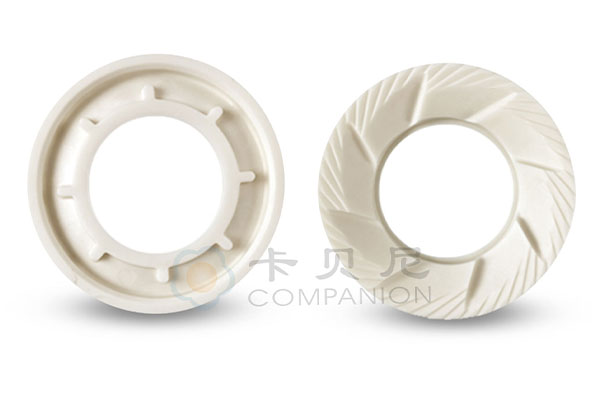
Thanks to their chemical inertness and high-temperature resistance, structural ceramics are an ideal choice for food processing equipment and storage containers. For example, alumina and zirconia ceramics are often used to produce grinding blades for food processing due to their high hardness and wear resistance. Meanwhile, cordierite ceramics are utilized to make baking trays because of their excellent thermal stability.
Structural ceramics are gradually changing our daily lives. As an advanced materials solutions provider, Companion leverages integrated manufacturing capabilities and a rigorous quality control system to deliver high-quality, high-performance ceramic components for customers across various industries, including electronics engineering, mechanical equipment, and medical devices—supporting diverse application scenarios and personalized needs. From raw material preparation to product design, custom machining, and final delivery, we provide an integrated professional customization service system that covers both standard products and non-standard custom requirements.





 LANGUAGE
 WhatsApp