

Publish date: 2025-12-19
In today's manufacturing landscape, where lightweight and high reliability are paramount, anodizing has evolved beyond mere surface rust prevention to become a critical technology that endows aluminum components with corrosion resistance, high hardness, insulation properties, and even aesthetic value. Yet despite its apparent maturity, the intricate details of this anodizing process still leave many engineers and procurement professionals perplexed: Is it truly suitable for my product? Will it compromise assembly precision? Can the color be maintained long-term? And are the costs manageable?
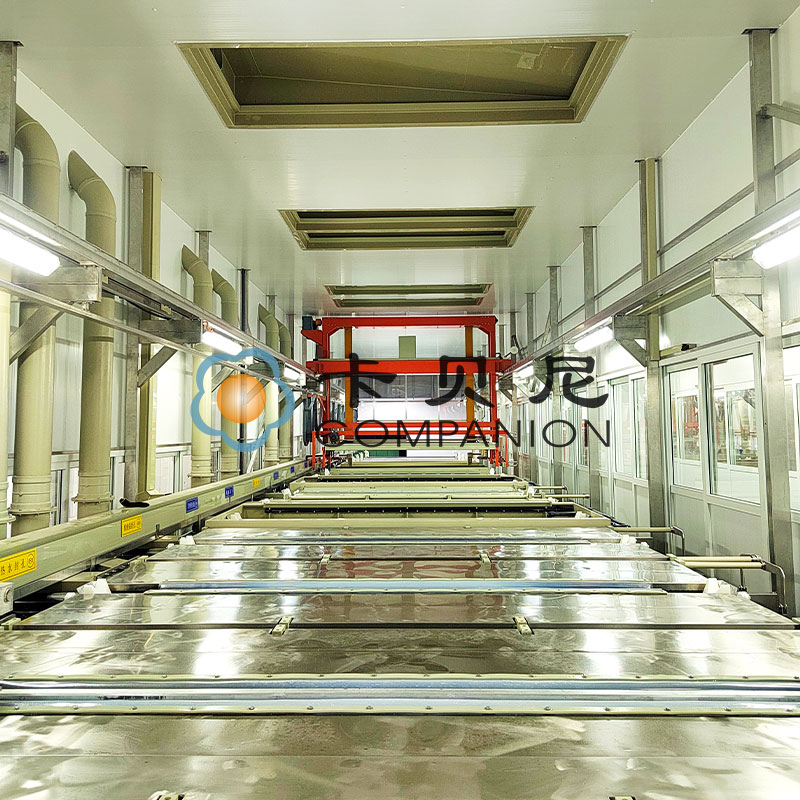
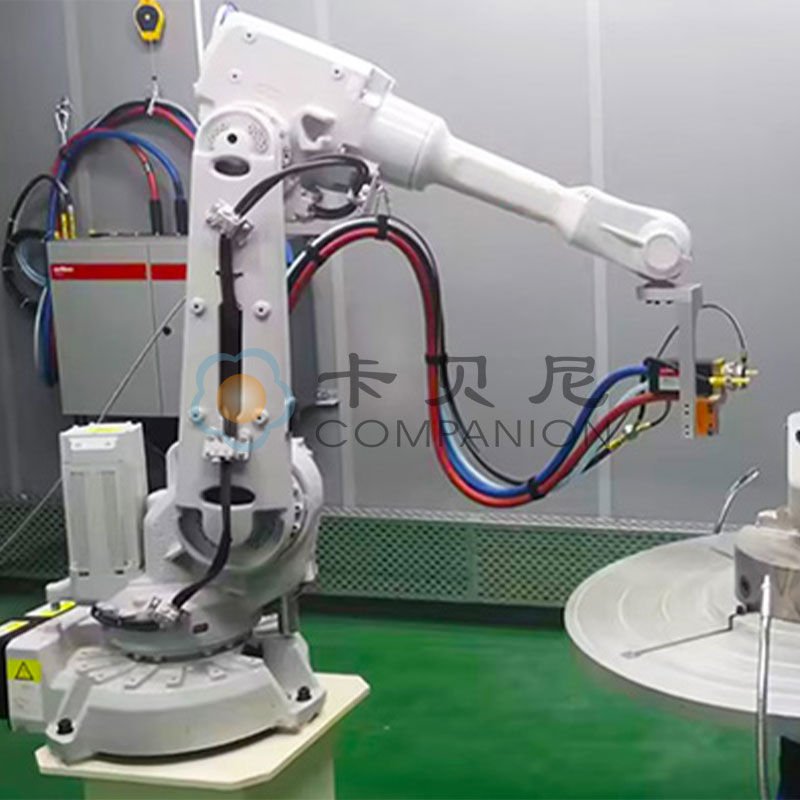
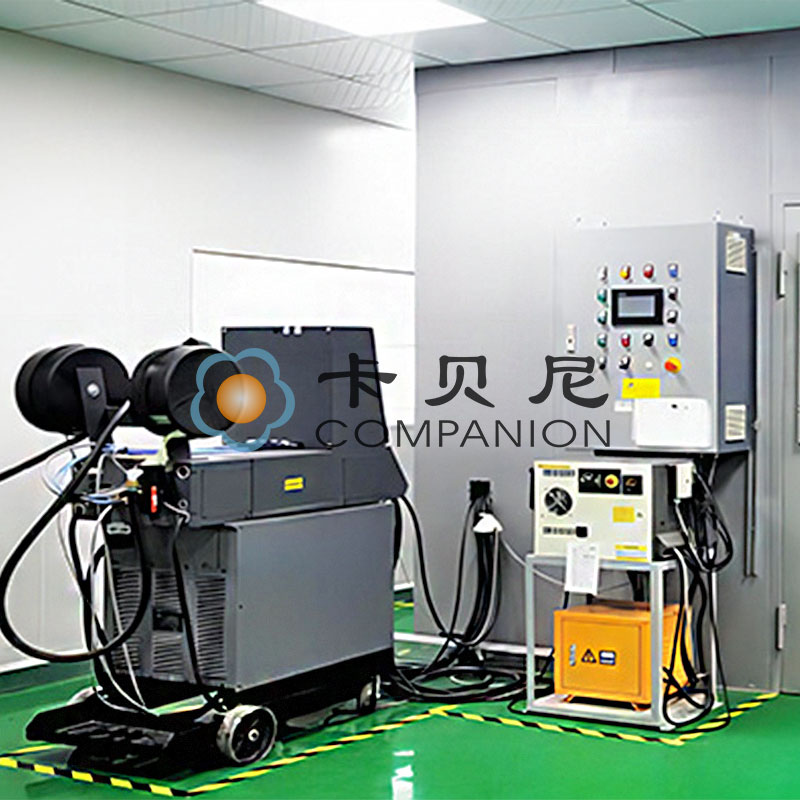
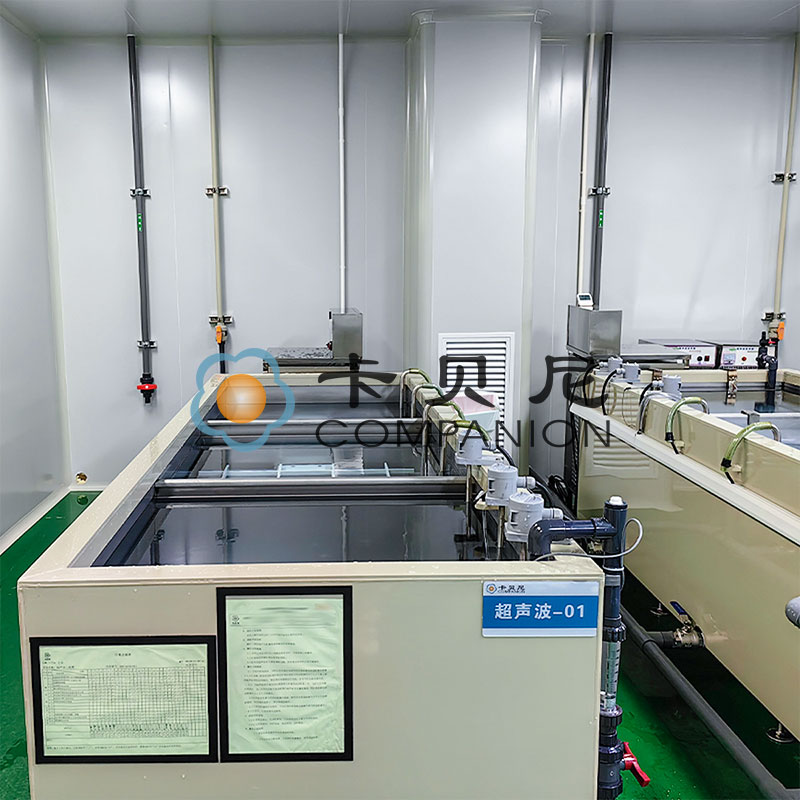
Companion provides four mainstream anodizing surface treatment processes, supported by our advanced Companion anodizing line, including conventional anodizing, hard anodizing, oxalic acid anodizing, and mixed acid anodizing. We have compiled eight frequently asked questions from clients regarding these processes to help you better evaluate and apply this technology. As a professional service provider with an anodizing production line, we offer customized anodizing services for various metal materials, including aluminum, titanium, magnesium alloys, and others. Additionally, we provide comprehensive solutions for high-end equipment, covering the entire process chain from R&D, design, and production of precision workpieces to customized processing and surface treatment. Our services include substrate processing, precision cleaning, anodizing, electroplating, plasma/arc melting, and maintenance refurbishment.
|
|
|
|
|
|
|
|
Q1: What are the differences between anodizing, painting, and electroplating? How should I choose?
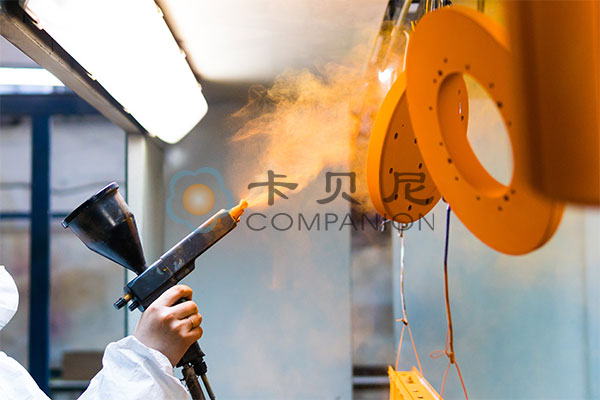
Anodizing is an in-situ growth process that forms a strong bond between the film layer and substrate, ensuring durability and resistance to peeling. It emphasizes wear and corrosion resistance while offering customizable colors (excluding white). Spray painting provides physical coverage with vibrant colors, but it is prone to scratches. Electroplating involves the deposition of metal, delivering conductive functionalities. The selection of the process depends on the product's operating conditions, substrate type, and design requirements. If your drawings do not specify surface treatment methods, Companion can provide tailored process analysis and development recommendations by considering material properties, functional needs, and aesthetic objectives.
|
|
|
|
Q2: What are the advantages and disadvantages of anodizing?
Aluminum anodizing is a process that forms a dense oxide film on aluminum and aluminum alloy surfaces through electrolysis, representing one of the most reliable anodizing technologies in modern manufacturing. Its advantages include strong adhesion to the substrate, resistance to peeling, enhanced corrosion resistance, improved surface hardness, and better insulation properties. Additionally, it allows for diverse and durable surface finishes through coloring, with mainstream processes being environmentally friendly. However, the process has limitations: the oxide layer may slightly affect part dimensions, is brittle and unsuitable for bending or stamping, and is non-conductive, which can potentially affect electrical connections. It also exhibits selectivity for aluminum alloy materials. Therefore, the decision to adopt anodizing should be based on a comprehensive evaluation of factors such as product precision, assembly requirements, and operating conditions.
Q3: What are the differences between standard anodizing, hard anodizing, oxalic acid anodizing, and mixed acid anodizing?
|
|
|
|
|
|
Normal anodizing |
Hard anodizing |
Oxalic acid anodizing |
Mixed acid anodizing |
Q4: Does anodic oxidation affect the dimensional accuracy of parts?
Anodizing may cause minor dimensional changes in components, but these effects are controllable. The oxide film forms through electrolytic reactions on the metal substrate, with dimensional variations typically accounting for half of the film thickness (as the film grows both inward and outward). For precision-critical components, such as optical platforms, positioning rings, and bearing housings, dimensional changes should not be overlooked. To address this, Companion recommends reserving an "oxidation allowance" during initial product design and collaborating with clients to confirm tolerance ranges as part of our precision anodizing process. Additionally, we support localized masking techniques that allow for the selective oxidation of non-functional areas on the same component, preserving critical mating surfaces in their original dimensions and metallic state, thereby balancing performance and assembly accuracy.
Q5: Why do anodized parts develop uneven coloration or fade over time?
Color issues primarily stem from variations in material composition, residual contaminants during the pretreatment process, or inadequate sealing. Material differences lead to uneven oxide film formation, while surface contaminants hinder film deposition and cause corrosion; incomplete sealing results in dye leakage and medium intrusion. Through optimized production line configurations and management systems, Companion achieves integrated manufacturing—from material and performance analysis to batch production and surface treatment—reducing cross-process coordination and management costs while ensuring high product consistency and yield.
Q6: Can we customize anodized surface treatment services?
Anodizing is not a one-size-fits-all standard process, but a highly adaptable functional platform that can be customized to meet specific product requirements.
Q7: Is anodic oxidation surface treatment environmentally friendly? Is the overall cost high?
Anodizing is a relatively eco-friendly metal surface treatment process. The mainstream techniques do not involve heavy metal deposition, and the waste liquid can meet environmental discharge requirements after standardized treatment. Particularly in 3C wearable products (such as mobile phone cases, smartwatch cases, and e-cigarette cases), the anodizing process, which is widely used, typically employs halogen-free and heavy metal-free formulations. The finished products do not release harmful substances, meeting the environmental and safety standards for skin-contact products. Compared to traditional processes like electroplating, anodizing offers significant advantages in terms of environmental compliance.
From a cost perspective, anodizing incurs moderate initial processing expenses, which are slightly higher than those of conventional spraying. However, its integrated film layer with the substrate ensures durability and low maintenance costs, making it more economical throughout the product's lifecycle. Particularly in industrial and high-end manufacturing sectors where reliability is critical, its overall cost-performance ratio stands out remarkably.
Q8: In which application fields can anodizing surface treatment technology be applied?
Anodizing technology is widely used across various high-performance industries. In electronics engineering, it enhances structural components and cavities with insulation, anti-interference, and anti-ion migration properties. For 3C consumer electronics, it produces smartphone casings, laptop components, and smartwatch cases that balance aesthetic appeal with wear resistance and fingerprint protection. In machinery manufacturing, hard anodization improves wear resistance in joints and guide rails. Within the automotive transportation industry, the corrosion and high-temperature resistance of anodized surfaces protect battery trays and engine parts. In construction and home furnishings, anodized profiles withstand prolonged exposure to weather and UV radiation, maintaining both durability and visual appeal. Different applications require tailored anodization processes to meet specific coating performance demands.
Conclusion
The value of anodizing surface treatment extends far beyond appearance — it is a transformative and reliable anodizing technology that enhances the intrinsic properties of metals at the microscopic level. By strengthening durability, precision, and performance, the anodizing process bridges design, materials, and manufacturing, creating products that deliver both functional excellence and aesthetic appeal. From electronic housings and mechanical components to high-end architectural applications, the proper aluminum anodizing process ensures superior corrosion resistance, wear protection, and long-term stability across various industries.
At Companion, we combine deep technical expertise with advanced production capabilities in our Companion anodizing line to support clients through every stage of their precision anodizing process — from material analysis and prototype development to full-scale manufacturing. As a trusted surface treatment service provider, we offer custom anodizing solutions tailored to specific products and industry requirements. If you are facing challenges in process selection, prototype sampling, product consistency, or yield optimization, our engineering team is ready to help. Through professional technical consultation and optimized metal surface treatment solutions, we empower your products with lasting performance, reliability, and value.





 LANGUAGE
 WhatsApp