


Publish date: 2026-03-09
In high-end precision manufacturing, the lightweight and high-strength properties of metal alloys make them ideal for structural components. However, shortcomings such as low surface hardness and susceptibility to corrosion and wear limit product reliability and lifespan. As equipment moves toward lightweight designs with high reliability and long service life, surface performance requirements for metal parts have evolved from basic corrosion protection and decoration to comprehensive capabilities that withstand harsh operating conditions.
Surface treatment processes have become a core technology affecting material performance in service. Among various technical paths, anodizing has become the preferred solution for improving surface corrosion resistance, wear resistance, and comprehensive functionality because it can grow an in-situ oxide layer with strong adhesion and excellent properties on metal substrates such as aluminum, magnesium, and titanium.
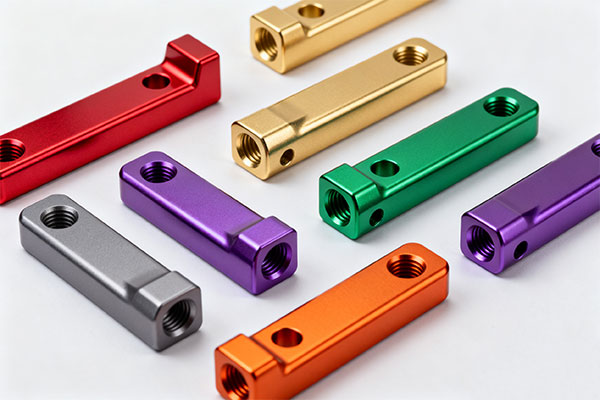
Anodizing is not a "coating," but a "growth." It differs from covering processes like painting or electroplating. Anodizing is an electrochemical passivation process that uses metals like aluminum, magnesium, or titanium as the anode. By applying an electric field in a specific electrolyte system (such as sulfuric or oxalic acid), it triggers an oxidation reaction on the substrate surface, growing a dense, hard oxide film in situ. This oxide film bonds exceptionally well with the substrate, fundamentally eliminating the risk of peeling and becoming the part's "native armor."
1. Strengthening Corrosion Resistance
The natural oxide film formed on metals in the environment is thin and easily damaged. Anodizing generates a dense oxide film with controllable thickness through electrolysis, effectively isolating the substrate from corrosive media like moisture, salt spray, acids, and alkalis. Treated metal parts exhibit significantly better corrosion resistance than untreated ones.
2. Improving Surface Wear Resistance
The oxide film itself possesses inherent hardness. By filling its porous structure with lubricating grease or hard particles, the wear resistance of the metal surface can be further enhanced. In electronic engineering, the metal bases and load-bearing components of ultra-high-precision positioning platforms are treated this way to handle the light friction of high-speed reciprocating motion, ensuring long-term microscopic stability.
3. Optimizing Insulation and Adhesion
The oxide film is an excellent electrical insulator, suitable for applications requiring insulation. Due to the presence of micropores, the anodized metal surface enhances bonding with coatings and adhesives, improving adhesion strength. This is commonly used in aluminum car bodies and industrial equipment housings.
4. Enabling Aesthetic Empowerment
Through the "dyeing + sealing" process, the porous structure of the oxide film can adsorb organic dyes to present colors like silver, black, red, blue, and gradients. This is widely used in consumer electronics. In fields with strict cleanliness requirements like microelectronics manufacturing, components treated with this process offer stable color and low surface outgassing, aiding functional differentiation and safe operation in ultra-clean environments.
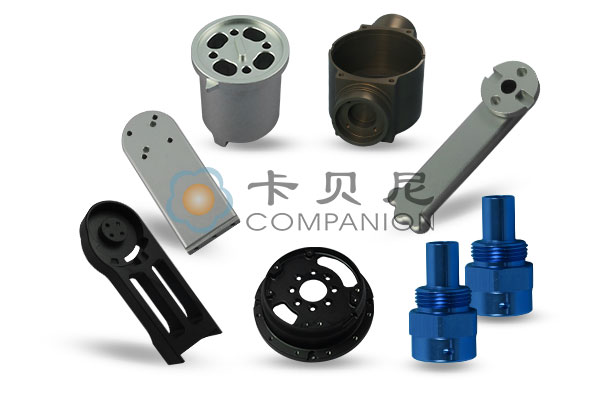
Anodizing generates an oxide film on metals (primarily aluminum and titanium alloys) via electrolysis. It is categorized by "electrolyte type," "process function," and "appearance characteristics." Specific applications include chamber components, transmission structures, and precision metal rings:
(1) Sulfuric Acid Anodizing: Features high film transparency and strong adsorption. It is easy to color electrolytically or chemically, offers good corrosion and wear resistance, and has low production costs. Suitable for non-contact segments of transmission components, automotive parts, chamber auxiliary covers, and positioning rings.
(2) Oxalic Acid Anodizing: The film appears light to deep yellow. It provides excellent corrosion resistance, wear resistance, and electrical insulation. Due to higher costs, it is used for electrical insulation layers and surface decoration of daily necessities.
(3) Chromic Acid Anodizing: The film is grayish-white or dark gray and opaque. It is thin, soft, and elastic, maintaining the component's original precision and surface roughness. Suitable for castings, riveted parts, and machined components.
(4) Phosphoric Acid Anodizing: The film is thin but features a porous structure with large pore diameters, offering excellent adsorption and bonding. It is primarily used as a base treatment for printing metal plates and pre-treatment for aluminum bonding.
(5) Tartaric Acid Anodizing: Provides extremely high transparency and a regular pore structure. It is easy to dye vivid, pure dark colors and offers high hardness and good resistance. Suitable for high-end consumer electronics, decorative parts requiring strict black tones, and high-silicon die-cast aluminum alloys.
(6) Mixed Acid Anodizing: Uses customized electrolytes (e.g., sulfuric + oxalic acid) to balance multiple characteristics. Suitable for spray components in cleaning equipment and metal shielding covers.
 |
 |
(1) Hard Anodizing: Offers high hardness and wear resistance. Suitable for end-load components of transmission structures, metal pressure discs, chamber door sealing strips, gears/pistons, and automotive parts.
(2) Micro-Arc Oxidation (MAO): Generates a ceramic-like film with extreme corrosion and wear resistance. Suitable for high-temperature processing equipment platforms, chamber liners, critical high-end equipment parts, and New Energy Vehicle (NEV) battery housings.
(3) Ceramic Anodizing: Provides a matte, opaque ceramic-like texture and structure that is stain-resistant and easy to clean. Suitable for shading parts in precision instruments, optical inspection stages, and high-end appliance panels.
(4) Bright Anodizing: The film is pure and transparent, with mirror-like high gloss and reflectivity, showcasing the substrate's metallic texture. Suitable for high-end electronics logos, luxury goods, reflectors, and decorative parts emphasizing metallic luster.
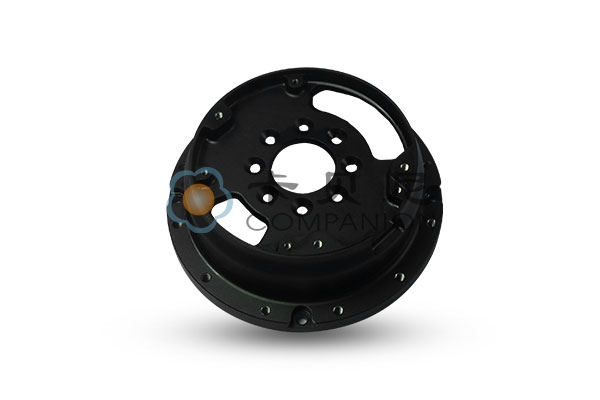 |
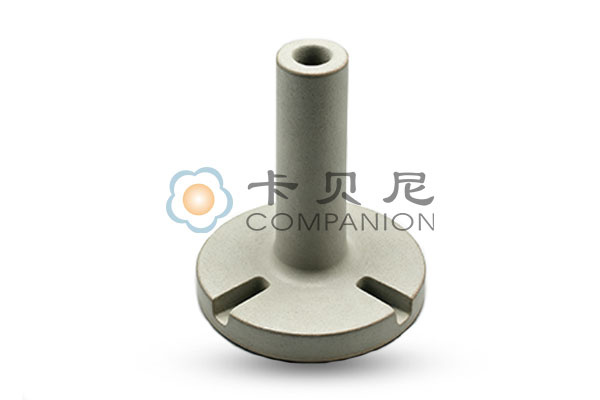 |
Black Anodizing: Achieved through base processes (Sulfuric/Hard Anodizing) followed by black dyeing. Suitable for components requiring a black appearance, such as electronic housings.
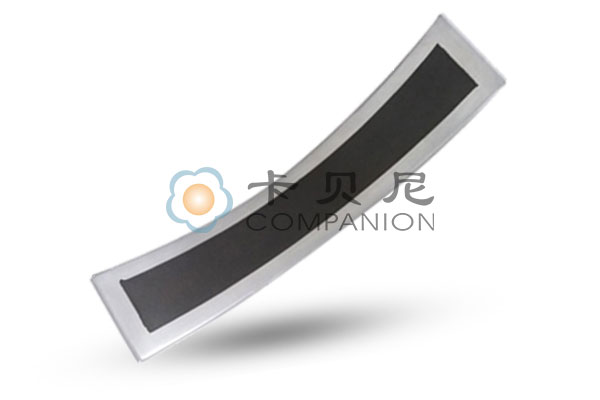 |
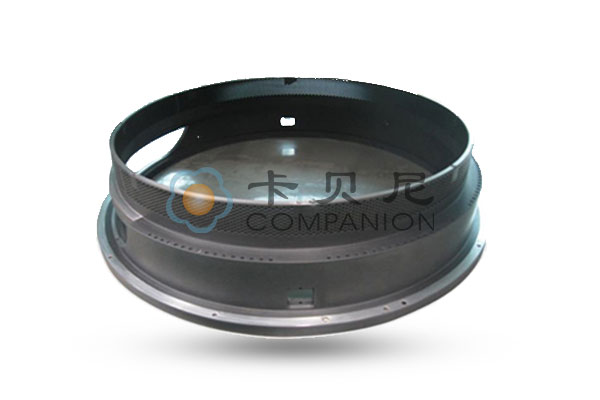 |
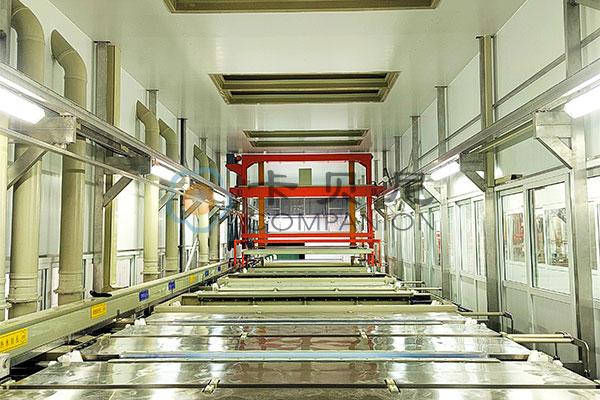
Unlike many surface treatment suppliers who rely on outsourcing, Companion operates its own autonomous anodizing production line. We achieve closed-loop control of the entire process—from degreasing and chemical polishing to oxidation, dyeing, and sealing. This not only keeps key process parameters strictly in-house but also reduces inter-process coordination and management costs, effectively avoiding quality disputes caused by outsourcing. By strictly controlling the full production cycle, we ensure stable film performance and batch consistency. Our flexible production lines respond quickly to custom needs, aiming to optimize your total costs while guaranteeing quality.
In addition to anodizing, Companion offers the following services:
1. High-Performance Coating Services: Teflon Spraying, Plasma Spraying, Arc Spraying
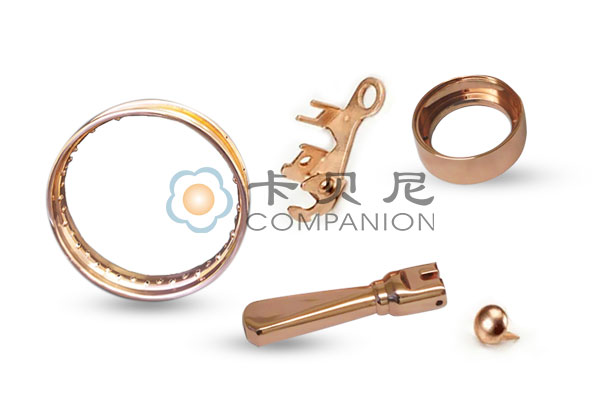
2. Electroplating Process Support: Comprehensive technical solutions including Zinc, Copper, Nickel, Chromium, Gold, Silver, and Zinc-Nickel alloy plating, meeting the surface treatment needs of various substrates like hardware and plastics.
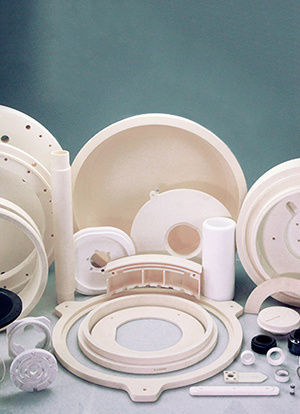
3. Precision Cleaning Services: Providing pre-treatment security for surface processes by removing oil, dust, and impurities from metal, ceramic, and plastic parts, ensuring substrate cleanliness meets standards for stable subsequent results.
Anodizing provides a key solution for wear resistance, corrosion protection, and functionalization through surface reconstruction. Whether you are looking for a reliable surface treatment manufacturer or facing specific technical challenges, feel free to leave a message in the comments—Companion is here to help!
For samples or technical consultation, click here to [Contact Us]!






 LANGUAGE
 WhatsApp