


Publish date: 2026-08-14
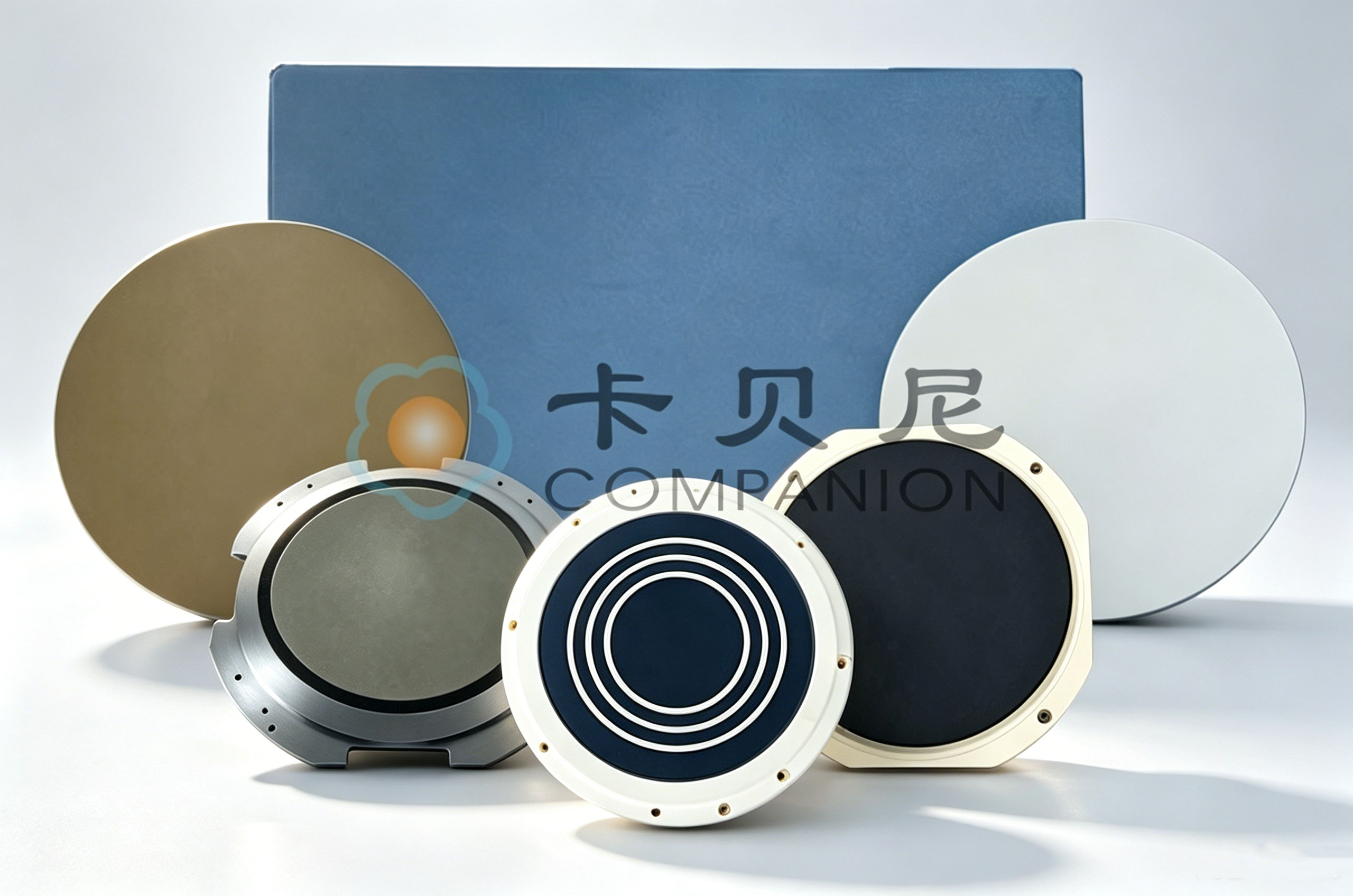
In processes such as electronic component thinning, optical component grinding, and precision inspection, the stability of workpiece fixation directly affects production yield. With micron-level flatness, low thermal deformation, and uniform holding force, porous ceramic vacuum chucks have become important carrier components in electronic engineering and optoelectronic display manufacturing.
 |
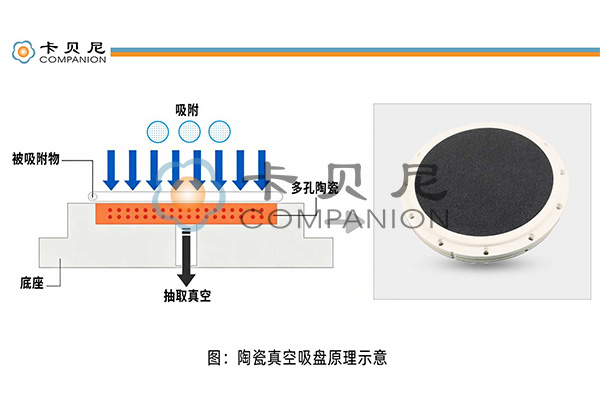
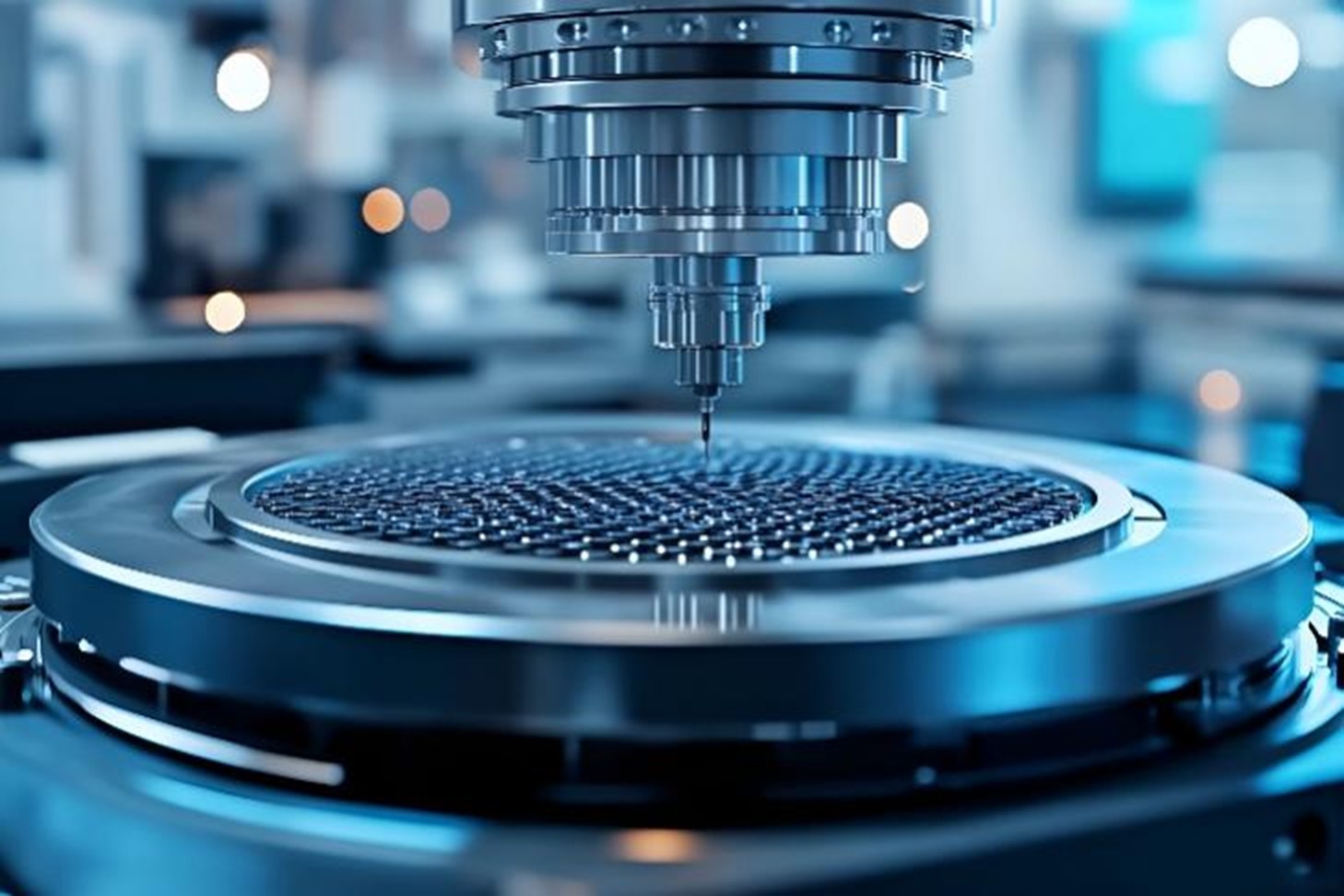
Porous Ceramic Vacuum Chuck is a carrier used in electronic engineering, precision manufacturing, and optoelectronic display applications to fix and support precision substrates, optical components, or thin workpieces. Its working principle is straightforward: a vacuum pump removes air through the micro-pore network inside the ceramic body or through surface grooves, creating a pressure difference. Atmospheric pressure then holds the workpiece firmly against the chuck surface.
To support these precision workpieces, the base material must meet three key requirements: rigidity, thermal stability, and cleanliness. These properties start with the right base material selection. Compared with metal or plastic chucks, ceramic materials provide a low coefficient of thermal expansion, strong corrosion resistance, and low particle generation, making them reliable “invisible hands” in high-end automated production lines.
 |
Based on common holding methods for electronic components, chucks can generally be divided into three types:
| Type | Principle | Typical Applications |
| Vacuum Chuck | Negative-pressure holding | Thinning, cutting, grinding, cleaning, handling, and related processes in electronic engineering manufacturing. |
| Electrostatic Chuck (ESC) | Electrostatic field holding | High-temperature processes, plasma environments, or vacuum environments for fixing, supporting, and heating electronic components. |
| Bernoulli Chuck | High-speed airflow-induced negative pressure | Handling of ultra-thin or fragile workpieces to reduce scratching and contamination. |
• Good dimensional stability: Ceramics have a low coefficient of thermal expansion, so shape changes are limited under temperature fluctuation. This helps reduce workpiece warpage or positioning deviation caused by thermal expansion and contraction.
• Tunable electrical properties: The material can be made highly insulating or adjusted through doping into anti-static or ESD-control formulations, helping reduce electrostatic damage risks.
• High hardness and corrosion resistance: Ceramic materials offer relatively high Mohs hardness and strong resistance to chemical corrosion and frequent friction.
• Low particle release: Dense and chemically inert ceramic materials generate minimal debris or dust during use, supporting high-grade cleanroom requirements and lowering contamination risk.
• High flatness and rigidity: Ceramic chucks can be machined to sub-micron-level flatness, providing stable rigid support, close workpiece contact, and reduced micro-displacement or local stress concentration.
• No magnetic interference: For processes involving magnetic positioning or electron-beam inspection, ceramics do not interfere with magnetic fields.
• Adaptability to complex environments: Ceramic chucks can operate reliably in vacuum chambers, corrosive atmospheres, and high-frequency vibration environments.
Different operating conditions place different requirements on chuck performance. Companion has extensive material processing experience and can provide flexible material combinations. The base and porous ceramic panel can be selected separately according to actual requirements, helping balance performance and cost.
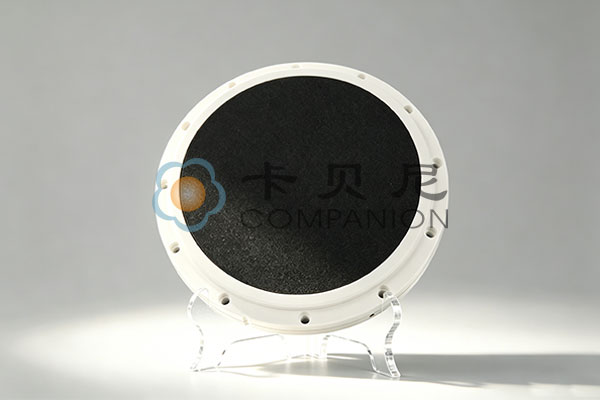
(1) Base
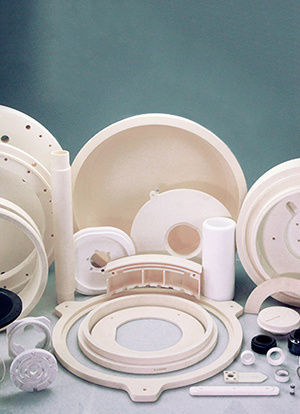
The base provides rigid support and equipment mounting interfaces for the chuck. Alumina (Al₂O₃) ceramic is commonly used because it offers good insulation, thermal stability, mature processing technology, and cost efficiency, making it suitable for many precision machining scenarios. Other base materials can also be customized for special operating conditions.
 |
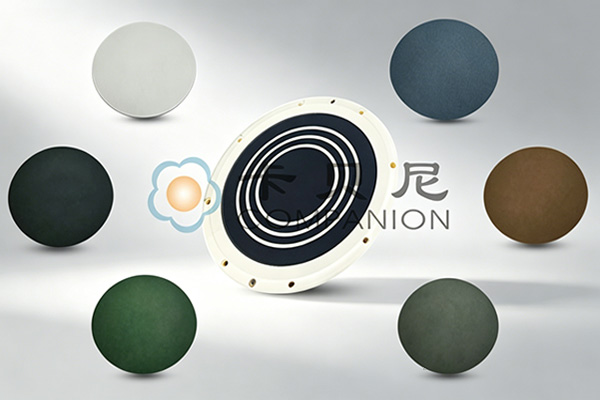
(2) Porous Ceramic Adsorption Panel
The porous ceramic panel is the functional adsorption layer that directly contacts the workpiece. Its internal interconnected micron-level pores enable uniform negative-pressure adsorption without requiring surface grooves. This helps distribute holding force evenly and avoid local stress concentration points.
| Material | Features | Recommended Applications |
| Porous Alumina | Uniform and controllable pore size, even adsorption force, no local stress concentration, good electrical insulation, and optional anti-static performance. | Conventional precision processes such as electronic component thinning, grinding, cutting, cleaning, and fragile substrate adsorption. |
| Porous Silicon Carbide | Combines uniform adsorption with the high thermal conductivity, high hardness, low thermal expansion, and good wear resistance of silicon carbide. | High-power device processing, heavy-load grinding, and applications requiring heat dissipation and long-term dimensional stability. |
Customization note: The pore size and air permeability of porous ceramics can be customized according to workpiece surface roughness and required holding force.
 |
| Comparison Item | Ceramic Chuck | Metal Chuck | Engineering Plastic Chuck |
| Flatness | High flatness with limited thermal deformation | Prone to thermal deformation and frequent recalibration | Lower rigidity and prone to creep |
| Wear Resistance | High hardness, friction resistance, and longer service life | Moderate; surfaces can be scratched | Lower; prone to wear and debris generation |
| Corrosion Resistance | Good resistance to many acids and alkalis | Lower unless special coatings are used; prone to oxidation and rust | Good, but limited by solvent compatibility |
| Cleanliness | Low particle release, suitable for high-grade cleanroom use | May generate metal particle contamination | May generate plastic dust |
| ESD Control | Adjustable resistivity for insulating or anti-static requirements | Conductive, but short-circuit risks must be managed | Usually insulating and prone to static charge accumulation |
| Adsorption Uniformity | Porous ceramic enables full-area uniform adsorption | Porous ceramic can also enable full-area uniform adsorption | Depends on grooves and may leave marks |
| Main Applications | Wafer and panel thinning, CMP, lithography, and handling of ultra-thin fragile parts | Cutting, back grinding, inspection, cleaning, and handling | Prototype validation and rough handling with lower surface-quality requirements |
| Overall Cost | Higher initial investment, but lower maintenance cost | Moderate maintenance and replacement frequency | Lower initial cost, but more frequent replacement |
1. Powder granulation and forming: High-purity ceramic powder is spray-dried and granulated, then formed by dry pressing or isostatic pressing to ensure uniform green-body density.
2. Controlled pore formation (porous ceramics): Pore-forming agents and sintering atmosphere are controlled to accurately adjust pore size and porosity.
3. High-temperature sintering: The ceramic body is densified in a high-temperature environment to reduce internal microcracks and improve mechanical strength and thermal stability.
4. Precision machining: Diamond grinding wheels are commonly used for surface grinding to meet flatness and parallelism requirements. For porous ceramics, surface open porosity and pore size must also be controlled precisely to balance air permeability and strength.
5. Surface treatment and full inspection: After precision cleaning and polishing, coordinate measuring machines or interferometers are used to verify dimensional accuracy and cleanliness.
 |
|
|
Ceramic vacuum chucks are used across several critical steps in electronic engineering and panel manufacturing:
• Substrate thinning and grinding: Provides strong and uniform support to reduce warpage of ultra-thin materials during processing.
• Chemical mechanical polishing: Resists corrosion from polishing slurry and helps maintain planarization accuracy.
• Precision cutting: Keeps workpieces stable during high-speed dicing and helps reduce edge chipping.
• Inspection and metrology: Non-magnetic and high-flatness characteristics help reduce optical inspection errors.
• Precision assembly and packaging: Supports stable handling and high-precision alignment of large thin plates.
When selecting a ceramic vacuum chuck, the following factors should be evaluated to control total cost:
1. Size and compatibility: Confirm the workpiece size, such as 200 mm, 300 mm, or custom dimensions, as well as equipment interface standards.
2. Flatness and parallelism: These parameters affect adsorption performance and processing yield.
3. Pore size and air permeability: Select suitable pore size based on workpiece surface roughness and weight to reduce air leakage or insufficient holding force.
4. Material and temperature-resistance selection: SiC bases are recommended for high-temperature or high-thermal-conductivity conditions, while alumina bases are commonly used for standard vacuum adsorption scenarios. Panel materials can be selected from porous alumina or porous silicon carbide based on adsorption uniformity and wear-resistance requirements. Companion supports flexible base-panel combinations and on-demand adjustment of pore size, porosity, air permeability, and other parameters for non-standard customization.
Q1: How thin can a porous ceramic chuck hold?
A: It can typically support thin substrates, optical glass, and brittle materials from tens of microns to several millimeters in thickness. The microporous design helps avoid deformation or breakage caused by local stress concentration.
Q2: What flatness can Companion achieve for ceramic chucks?
A: With experienced precision machining capabilities, Companion can control ceramic chuck flatness at the micron or even sub-micron level, depending on material type and component size.
Q3: What customization options are available for porous ceramic chucks?
A: Companion can provide customized services based on specific operating conditions:
• Dedicated chuck designs: Adsorption tables and carriers can be designed for ultra-thin functional substrates, large glass panels, and other specific workpieces to optimize holding performance.
• Special-shaped customization: Round, square, ring-shaped, or non-standard designs with positioning structures can be customized to match equipment interfaces.
• Large-size specifications: Companion has the capability to manufacture larger porous ceramic chucks. Achievable dimensions depend on porosity, thickness, and structural requirements. Drawings or technical parameters are recommended for feasibility confirmation.
Q4: Do you provide technical evaluation and sample testing?
A: Companion can provide material selection recommendations based on process parameters and support small-batch prototyping and on-machine validation. Drawings or operating-condition parameters are recommended for accurate matching.
Selecting a ceramic vacuum chuck is essentially about matching material properties with specific process requirements. In real applications, temperature resistance, conductivity, adsorption uniformity, and long-term operating cost often need to be balanced to find a suitable solution for the equipment. Companion supports customized porosity and pore size, and provides an integrated path from material selection to finished components.
Of course, selection is never a one-option decision; it is a dynamic matching process. If you have questions about your specific application, feel free to contact us.






 LANGUAGE
 WhatsApp